Why a Portfolio Matters in Choosing a Web Design Agency
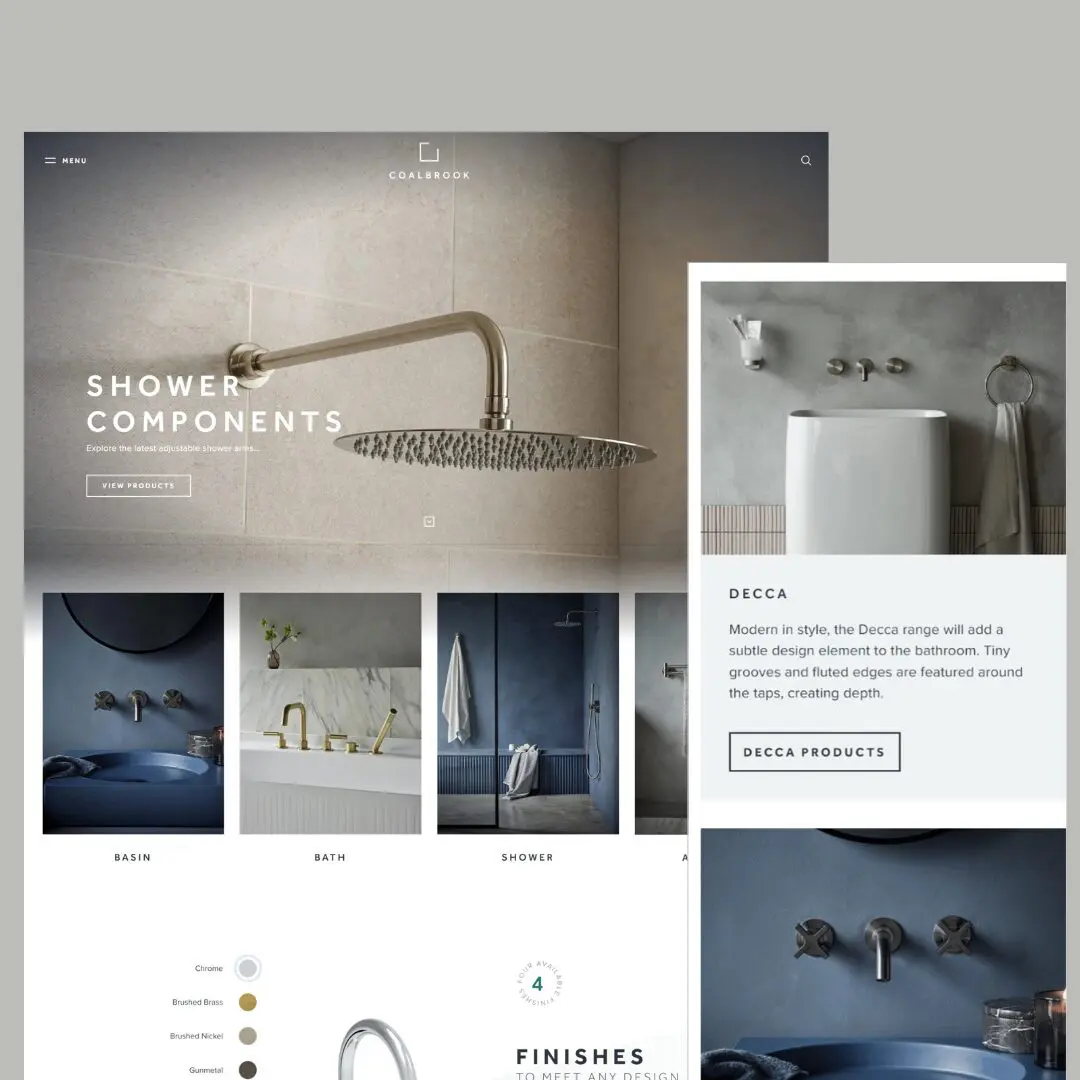
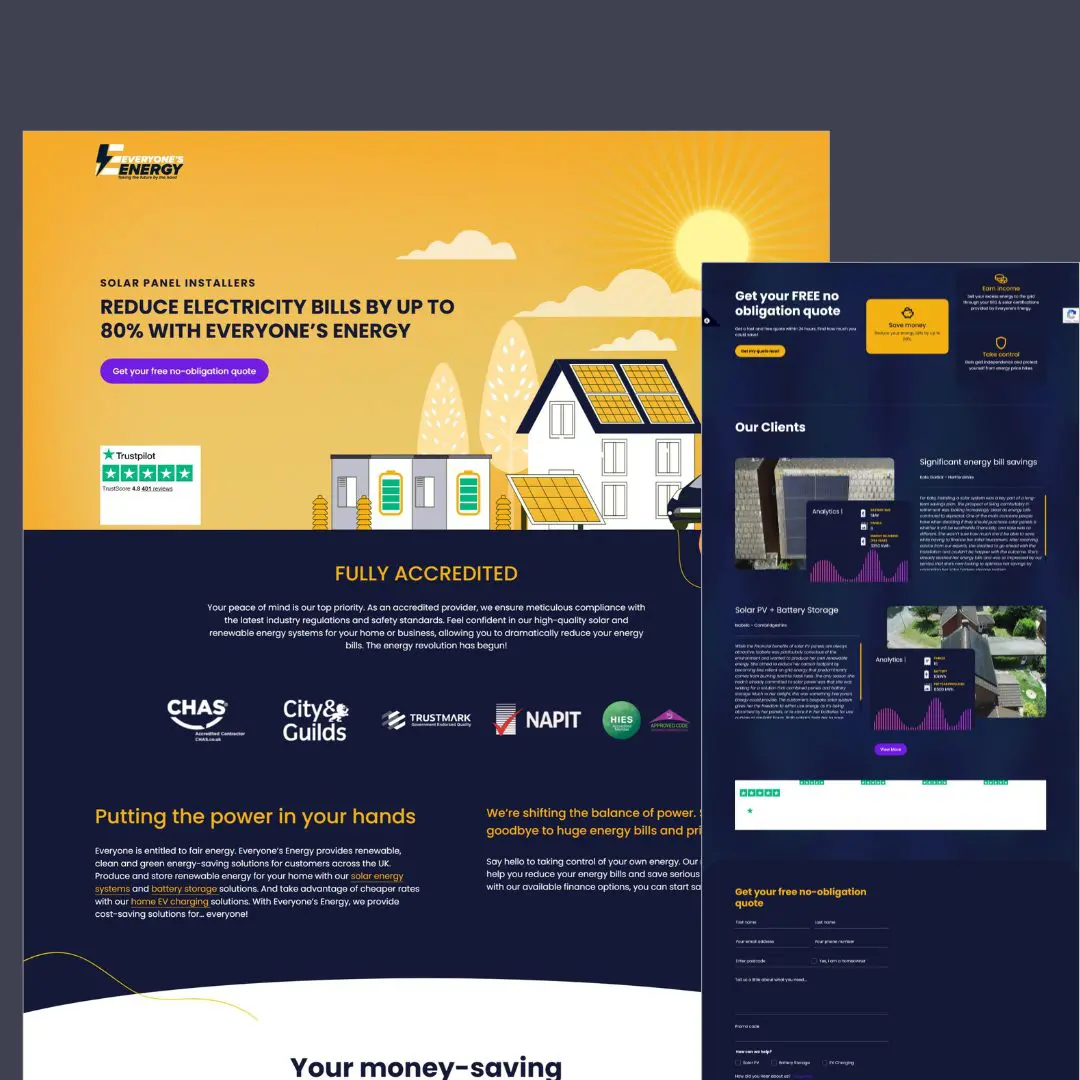
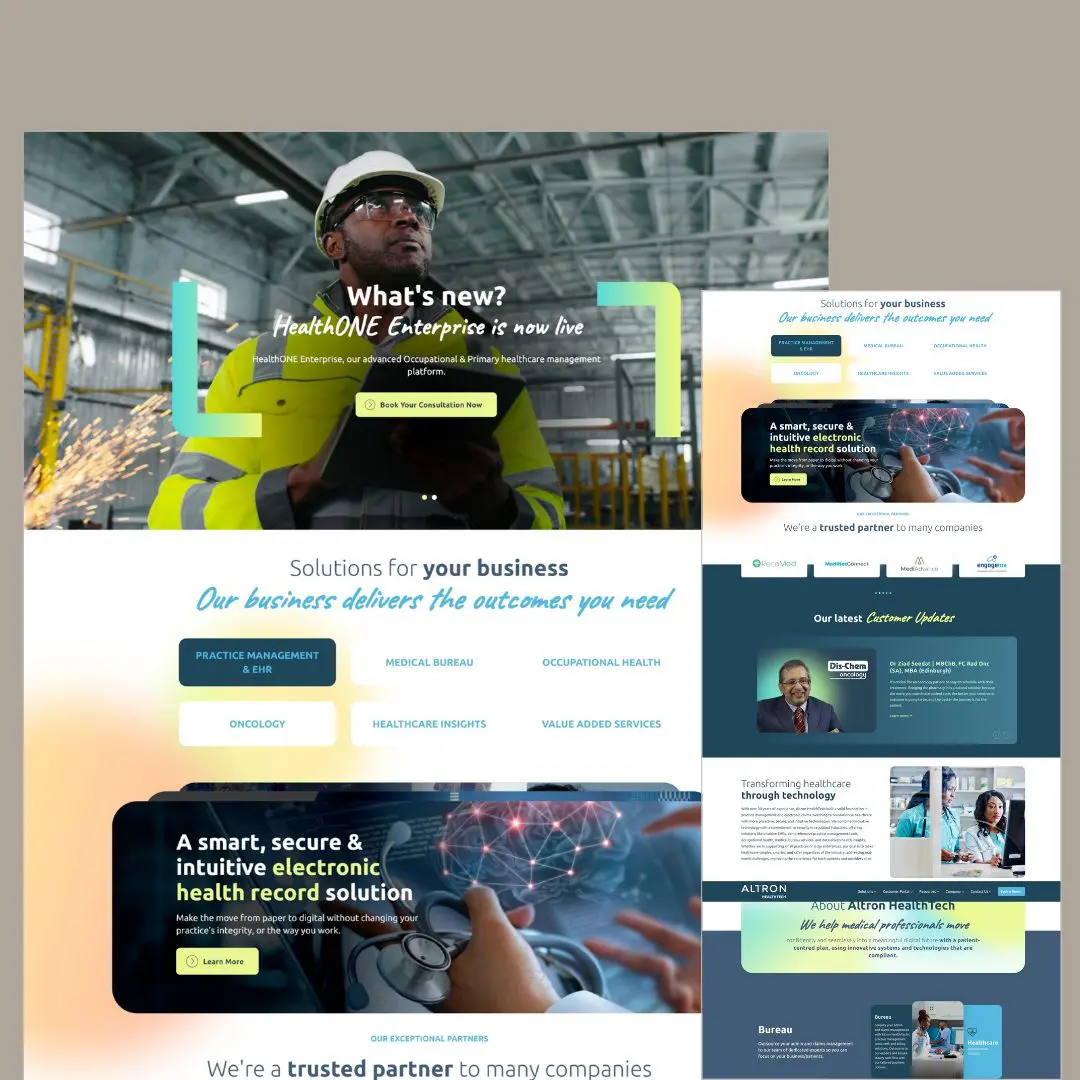
A portfolio serves as a crucial indicator of a web design agency’s capabilities and style. It showcases previous work, allowing potential clients to assess the quality and diversity of designs. By examining a portfolio, clients can discern whether an agency's aesthetic aligns with their vision. Projects displayed often highlight an agency's proficiency in various design elements, such as layout, color schemes, and user experience.
Additionally, a well-curated portfolio can illustrate an agency's experience in different industries. For instance, a portfolio featuring e-commerce websites may demonstrate an agency's ability to create effective online stores, while a collection of corporate sites may reflect expertise in professional branding. Diverse examples indicate adaptability and a broad skill set, essential for meeting unique client requirements. A portfolio not only reflects an agency's past successes but also provides insight into its creative process and problem-solving abilities.
Key Elements to Evaluate in a Web Design Portfolio
Diversity of Projects: A strong portfolio showcases a variety of projects across different industries. This demonstrates the agency's ability to adapt its design style to meet diverse client needs.
Design Quality: Assess the overall aesthetic of the designs. Look for modern layouts, effective use of color, typography, and imagery that enhance user experience.
Functionality: Examine the functionality of the websites. Ensure that they are user-friendly, responsive, and perform well across various devices and browsers.
Case Studies: Look for detailed case studies that outline the design process, challenges faced, and solutions implemented. This provides insight into the agency's problem-solving skills.
Client Testimonials: Positive feedback from past clients adds credibility. Testimonials can reveal the agency's professionalism, reliability, and the effectiveness of their designs.
SEO Practices: Evaluate whether the portfolio includes examples of SEO-friendly designs. Websites should follow best practices for search engine optimization to ensure visibility.
Post-Launch Support: Check if the agency offers ongoing support after project completion. This can include maintenance, updates, and performance tracking.
Awards and Recognition: Notable awards or industry recognition can indicate the quality of work and the agency's standing within the design community.
How to Analyze the Diversity of Projects in a Portfolio
Assessing the diversity of projects in a web design agency's portfolio is crucial for understanding their adaptability and creativity. A range of project types showcases the agency's ability to tackle different challenges and cater to various industries. Look for portfolios that include websites across various sectors, such as e-commerce, corporate, non-profit, and educational institutions. This variety indicates a versatile skill set and a willingness to innovate.
Examine the design styles presented in the portfolio. A successful agency should demonstrate proficiency in multiple aesthetics, from minimalist designs to complex, visually rich interfaces. This adaptability not only reflects creativity but also a deep understanding of user experience and client branding needs. Pay attention to how each project aligns with the specific goals and target audience of the client, evidencing the agency's strategic thinking in design execution.
Assessing User Experience (UX) in Portfolio Samples
1. Evaluate Navigation Flow
Examine how users interact with the design by assessing the navigation flow. A well-structured navigation should allow users to find information effortlessly. Look for clear pathways that guide users through the site. Check for intuitive menu placements and logical content categorization.
2. Analyze Visual Hierarchy
Visual hierarchy plays a crucial role in guiding user attention. Assess how elements are prioritized through size, color, and placement. Effective designs will highlight key information while minimizing distractions. A strong visual hierarchy ensures users can scan content and identify important actions quickly.
3. Assess Responsiveness
Responsive design is essential for optimal user experience across devices. Evaluate how the portfolio samples adapt to various screen sizes. A responsive design should maintain usability and aesthetics, ensuring that users have a seamless experience, whether on a desktop, tablet, or smartphone.
4. Review Load Times and Performance
Website performance directly affects user experience. Check the loading times of the showcased designs using tools like Google PageSpeed Insights. Fast-loading sites enhance user satisfaction, while slow sites can lead to high bounce rates. Prioritize portfolios that demonstrate efficient performance metrics.
5. Test Usability Features
Usability features such as search functionality and accessibility options significantly impact the user experience. Analyze the presence of features like search bars, filters, and keyboard navigation. Evaluate how these elements enhance overall usability, making it easier for users to interact with the site.
6. Gather User Feedback
User feedback provides valuable insights into the effectiveness of a design. Look for case studies or testimonials within the portfolio that highlight user experiences. An agency that showcases positive user feedback demonstrates a commitment to creating designs that resonate with target audiences.
Evaluating Aesthetic Appeal and Design Trends
Assessing aesthetic appeal in a web design portfolio is essential for determining a designer's ability to create visually engaging websites. Visual appeal encompasses elements such as color schemes, typography, layout, and imagery. A portfolio should reflect a cohesive style that aligns with modern design trends. For instance, a designer who employs minimalism effectively uses whitespace, subtle color palettes, and concise typography, which can enhance user engagement.
Adherence to current design trends is equally important. Trends such as responsive design, dark mode, and micro-interactions are now standard in effective web design. Analyzing how a designer incorporates these elements can indicate their awareness of industry standards. For example, a portfolio showcasing projects with responsive layouts demonstrates that the designer prioritizes usability across devices, which is critical in today's digital landscape.
| Design Element | Visual Appeal Assessment | Trend Adherence Evaluation |
|---|---|---|
| Color Schemes | Evaluate harmony and contrast to create visual interest. | Check for use of trending palettes like pastels or vibrant gradients. |
| Typography | Assess font choices for readability and style consistency. | Look for modern font combinations and size hierarchy. |
A portfolio should also showcase innovative layouts that break conventional molds while maintaining usability. Designers who utilize asymmetry or grid systems effectively can create unique visual experiences. Furthermore, the inclusion of high-quality images and graphics enhances the overall aesthetic. Evaluate whether the visuals complement the content and contribute to the narrative of the site.
Finally, examining the user interface (UI) components is crucial. UI elements should not only be appealing but also functional. A portfolio that demonstrates a balance between aesthetic appeal and practical functionality indicates a designer's ability to create engaging user experiences that align with contemporary expectations.
Looking for Client Testimonials and Case Studies
1. Significance of Client Testimonials
Client testimonials provide insight into a web design agency's reliability and ability to meet client expectations. Positive feedback indicates successful project outcomes and client satisfaction. Agencies often showcase testimonials prominently to build trust. Specific comments regarding communication, project management, and post-launch support are vital. Look for testimonials that mention measurable results, such as increased traffic or improved engagement metrics.
2. Analyzing Case Studies
Case studies delve deeper than testimonials by offering detailed narratives of projects. A strong case study outlines the client's initial challenges, the design agency's approach, and the results achieved. Look for metrics such as conversion rates, user feedback, and timelines. A well-structured case study should highlight the problem-solving process and the impact of design choices. This depth of information allows potential clients to understand how the agency tackles real-world challenges.
Understanding the Agency's Design Process Through Their Portfolio
A well-curated portfolio not only showcases past projects but also reflects the agency's design methodology and collaborative approach. Each project tells a story about how the agency engages with clients, solves problems, and iterates on design concepts.
Maximillian Kade
A portfolio reveals an agency's design process by highlighting their approach to problem-solving and collaboration. The presence of detailed project descriptions, including the challenges faced and the solutions implemented, indicates a structured methodology. For instance, an agency may showcase user research phases, prototyping stages, and client feedback iterations, which illustrate their commitment to a user-centered design approach.
Moreover, the diversity of projects in the portfolio provides insights into the agency's adaptability and collaboration style. A range of industries represented suggests that the agency can tailor its process to meet different client needs. Additionally, case studies that include client interactions and design iterations offer a glimpse into the agency's communication practices and how they incorporate feedback into their design workflow.
Red Flags to Watch Out For in a Web Design Portfolio
Inconsistent Design Quality: When a portfolio showcases projects with varying design standards, it may indicate a lack of attention to detail or quality control. Look for a cohesive style across all samples.
Outdated Design Trends: If the portfolio features designs that rely on outdated aesthetics or technologies, it may suggest that the agency is not keeping up with current industry standards and user expectations.
Limited Responsive Design Examples: A lack of mobile-friendly projects can signal that the agency does not prioritize responsive design, which is crucial for user engagement and SEO performance.
Absence of Clear Case Studies: Portfolios should present detailed case studies that outline the design process, challenges faced, and outcomes achieved. A lack of these can indicate a superficial approach to project work.
Poorly Written Content: Typos, grammatical errors, or vague descriptions in the portfolio can reflect poorly on the agency’s professionalism and attention to detail.
No Client Names or Projects Listed: If a portfolio omits client names or specific project details, it may raise concerns about the authenticity of the showcased work.
Lack of Contact Information or Professional Branding: An absence of clear contact details or a well-defined brand identity can indicate a lack of professionalism and commitment to client relationships.
How to Use Portfolio Insights in Your Decision-Making Process
Evaluating a web design agency's portfolio provides critical insights that can inform your selection process. First, prioritize your project requirements and compare them against the agency's past work. Identify specific projects that align with your vision, noting the features, styles, and functionalities showcased. This will help you determine if the agency has experience in your industry and understands your target audience.
Second, engage with the agency to discuss the projects that interest you most. Ask about the challenges they faced and how they approached problem-solving. This conversation can reveal their design philosophy and adaptability. Additionally, inquire about the results of these projects, such as increases in user engagement or conversion rates, to gauge effectiveness.
Third, create a checklist of criteria based on your evaluation of the portfolio. Include aspects like design quality, user experience, and project diversity. Score each agency against these criteria to facilitate a comparative analysis. This structured approach simplifies decision-making and highlights the agency that best meets your needs.
Lastly, consider the potential for collaboration. Review how well the agency communicates and whether they are receptive to feedback. Effective communication is essential for a successful partnership and can significantly impact the final outcome of your project.
Are you looking for professional services? Find more details here:
best web design agency cape town
Business Name: Gridweb
Address: 200 Uys Krige Dr, Plattekloof 2, Cape Town, 7530
Email: info@gridweb.co.za
Phone: 021 300 1841
Hours:
Monday: 08:00–17:00PM
Tuesday: 08:00–17:00PM
Wednesday: 08:00–17:00PM
Thursday: 08:00–17:00PM
Friday: 08:00–17:00PM
Gridweb is Cape Town's leading web design and development agency, creating custom website design and SEO rankings. With more than 15+ years of experience, we work with clients of all sizes across a broad range of sectors.
As specialists in ecommerce website design Cape Town, we understand the intricacies of building platforms that convert visitors into customers. Our websites are not only beautiful but also optimized for speed, functionality, and user experience. If you're looking for reliable website design in Cape Town, our team is ready to help you establish a powerful digital footprint.
Portfolio: